






What Causes Uneven Temperatures in Your Home and How Can HVAC Fix It?
If some rooms in your Westfield home feel like summer while others feel like late January, you are not alone. Our mix of older colonials, split-levels, and newer builds, plus humid summers and chilly winters, makes comfort tricky. The most common fix is not a bigger system. It is consistent HVAC maintenance that restores healthy airflow and finds the bottlenecks before the weather swings.
Why Westfield Homes Get Hot And Cold Spots
Westfield, NJ sees sticky July afternoons and brisk February mornings. Homes near Wychwood or Indian Forest may have third-floor or attic spaces that trap heat, while first-floor rooms sit close to cool basements. Multi-story layouts, long duct runs, and rooms over garages invite temperature swings. Add in older windows, tight stairwells, and sun-facing rooms and you get the recipe for a house that never feels even.
Local insight: Many Westfield colonials have long supply runs to second-floor bedrooms and short, starved return paths. That imbalance forces hot and cold spots. Space heaters can be a fire risk when used to “patch” cold rooms. Ask a pro to address the system instead of adding plug-in heat.
The Root Causes Of Uneven Temperatures
Uneven rooms are usually the symptom of a few common issues working together. Uneven temperatures are often an airflow problem more than a heating or cooling capacity problem.
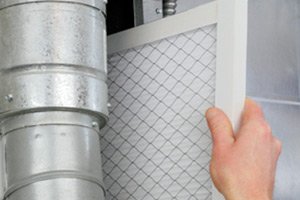
- Airflow restrictions: dirty coils, clogged filters, closed or undersized returns, or furniture crowding supply registers.
- Ductwork issues: leaks in attics or basements, crushed flex runs, poorly sealed joints, or long, undersized branches feeding far rooms.
- System setup: incorrect blower speed, mismatched static pressure, or an outdoor unit and furnace that were never balanced to your duct design.
- Home design factors: rooms over garages, cathedral ceilings, finished attics, or heavy sun load on south- and west-facing rooms.
- Thermostat placement: a hallway sensor that satisfies early while bedrooms still lag behind.
When these stack up, the equipment works harder yet comfort still lags. That wastes energy and can shorten system life.
How Pro HVAC Maintenance Fixes Air Distribution Problems
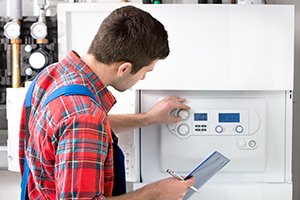
Maintenance is not a quick dust-off. It is a methodical reset of your system so air moves where it should. During a professional visit, a trained heating contractor measures static pressure, checks temperature split, verifies blower operation, and inspects duct connections and seals. Small corrections, made together, often erase hot and cold spots.
Here is what that visit typically targets to restore even temperatures without guesswork:
- Airflow verification: measure across the filter and indoor coil to spot restrictions before they choke distant rooms.
- Duct integrity: test for leakage, re-strap sagging flex, straighten kinks, and seal accessible joints to keep conditioned air inside the ducts.
- Blower and coil health: clean the coil surface and set blower speed to align with your duct capacity, not just nameplate tonnage.
- Return air strategy: add or reopen return pathways so upstairs rooms do not get stranded air.
- Safety checks: confirm electrical, gas, and condensate systems are working as designed while comfort is restored.
Never adjust blower speeds or damper positions without a licensed technician. Wrong settings can overheat a furnace, freeze a coil, or damage the motor.
Ductwork Issues And Zoning Solutions For Multi-Level Homes
Many Westfield two- and three-story homes battle the “stack effect.” Warm air rises, upper floors overheat, and the thermostat on the main level thinks everything is fine. If ducts cannot carry enough supply or return air upstairs, a zoning system or targeted duct corrections can make a night-and-day difference.
A zoning system uses motorized dampers and separate thermostats to direct heating or cooling to the floor that needs it. Bedrooms can sleep cool in July while the main floor stays comfortable for late dinners downtown. When paired with proper duct sealing and balancing, zoning helps eliminate “sauna upstairs, sweater downstairs.”
Not every home needs full zoning. Sometimes, strategic fixes like sealing leaky trunk lines, converting a panned joist return to a sealed duct, or right-sizing a long branch to a back bedroom near Brightwood Park can solve it. Your heating contractor should explain the options after testing, not guess from the driveway.
Thermostats, Sensors, And Smart Controls
Thermostat location matters. A smart control with remote sensors can average readings from the rooms you care about. That helps prevent a hallway from calling the shots while a nursery or home office in Tamaques Park drifts out of range. Smart controls cannot overcome severe duct leaks or undersized returns, but once airflow is healthy they fine-tune comfort across floors and time of day.
Signs It Is Time To Call A Heating Contractor In Westfield, NJ
Uneven temperatures can be mild at first, then spread. If you notice these patterns, it is time to bring in a pro for testing and maintenance before peak season hits:
- One floor always runs 3 to 6 degrees different from the thermostat reading.
- Rooms over the garage or on corners are never comfortable, no matter the setting.
- Long runtime but little change in the farthest rooms.
- Frequent on-off cycling or noisy vents that whistle or boom.
- Visible dust streaks on supply grilles or around returns, hinting at leakage.
These are comfort issues and system health issues. Fixing airflow and sealing ducts often cuts runtime and stress on parts. That is why homeowners schedule routine HVAC maintenance before Westfield’s temperature extremes arrive.
What To Expect From Professional HVAC Balancing
Balancing aligns your system with your home’s layout. A skilled technician will test, adjust, and verify.
Here is a plain-language walkthrough of how the process typically unfolds in a Westfield home:
First, the tech interviews you about which rooms feel off, when it happens, and whether doors are open or closed at night. Then they map supply and return paths. Pressure and temperature readings show where airflow drops. With data in hand, the tech may adjust damper positions, correct crushed flex, or recommend sealing a leaky return plenum.
Next, the blower is set to the right speed for your duct capacity. Coils and filters are verified clear. If the static pressure is still high, the tech discusses options like adding a return in an upstairs hallway or upsizing a long, starved branch to a back bedroom. In homes near the North Side, where third floors are finished, adding a dedicated return often stabilizes the level.
Finally, results are verified with temperature checks in problem rooms. This step confirms that the changes produced even, quiet airflow. The technician documents findings and suggests whether a zoning system would meaningfully improve control for multi-story living.
Why Proper Air Distribution Protects Your System
Air moving at the right volume keeps your furnace within safe temperature limits and your AC coil from freezing. Leaks or blockages make parts run hotter, longer, and louder. That strain shows up as nuisance lockouts, blower failures, and short compressor life. Solving airflow and duct problems is not only about comfort. It protects the whole system, especially when Westfield gets a cold snap or a late-summer heat wave.
If you have been told to “just replace the unit,” ask for testing first. Many hot and cold spots vanish when a trained heating contractor corrects the air path. Replacement might still make sense if the system is at the end of its life. The right order is test, fix airflow, then consider equipment options.
Zoning, Add-Ons, And When Equipment Changes Make Sense
After airflow and duct sealing, your contractor may recommend zoning for better room-by-room control, especially in three-story homes or houses with large sunrooms. In some layouts, variable-speed furnaces or heat pumps help by adjusting to real-time airflow and load. These upgrades work best on a tight, balanced duct system. Without that foundation, even premium equipment struggles to deliver comfort.
Curious about the basics of HVAC maintenance in Westfield, NJ and how it supports even temperatures across seasons? Start with the fundamentals, then have your system tested so solutions match your home, not a generic checklist.
Safety And Indoor Air Quality Considerations
Comfort connects to safety. Poor airflow can lead to overheating components, icing, or condensation where it does not belong. In winter, backdraft risks rise in homes with tight envelopes and starved returns. Have carbon monoxide detectors working on every level and keep them within date, especially if your system is gas-fired and your ductwork needs correction.
Balanced airflow also improves filtration. When returns and supplies are tuned, more air passes the filter as intended. That helps capture dust and pollen and reduces the film that gathers on upstairs dressers and around grilles.
Planning Around Westfield’s Seasons
Late spring and early fall are ideal windows to get ahead of extreme weather. Technicians have more availability, and you will feel the difference when summer humidity climbs or a Nor’easter drops temps overnight. In neighborhoods with mature trees and shaded streets, a balanced system also helps manage shoulder-season swings where sunny front rooms run warm and shaded back rooms run cool.
Ready For Even Comfort In Every Room?
If hot and cold spots are wearing you down, a thorough test-and-balance visit will show why it is happening and how to stop it. The team at Exclusive Heating, Air Conditioning, Sewer & Drain services Westfield homes every season and is ready to help. To restore healthy airflow and reliable comfort, schedule HVAC maintenance with a licensed pro today or call 908-769-8200 to talk through the rooms that bug you most.
Prefer to plan ahead? You can also set up seasonal service so your system is tuned before the first heat wave or cold snap. A short visit now prevents long, noisy runtimes later and gets your home back to the steady comfort you expect.


