







Why Is Your Air Conditioner Running But Not Cooling Your Home?
It is frustrating when your AC hums along but your house still feels muggy and warm. If your air conditioner is running but not cooling in South Brunswick, NJ, the issue usually points to airflow problems, refrigerant trouble, or a control or electrical fault. This guide explains what is likely happening and how a licensed HVAC technician from Exclusive Heating, Air Conditioning, Sewer & Drain diagnoses and fixes the problem. If your system has not been serviced this season, professional AC tune ups are the fastest way to restore comfort and stop small issues from growing.
How Central Air Conditioning Removes Heat
Your AC does not make cold air. It moves heat out of your home. Warm indoor air passes over a cold evaporator coil, the refrigerant absorbs heat, and the compressor pumps that heat outdoors to the condenser coil. For this cycle to work, three things must be right: strong airflow across the coils, correct refrigerant levels, and accurate commands from the thermostat and safety controls. When any of these break down, the system may run without delivering cool air.
Common Reasons Your AC Runs But Does Not Cool in South Brunswick, NJ
Homes in Kendall Park, Monmouth Junction, Deans, Dayton, and Kingston see a mix of older ductwork and newer high‑efficiency equipment. Local humidity adds load on peak July afternoons. Below are the most frequent causes our technicians find in Middlesex County when an AC runs but fails to cool:
- Restricted airflow from a clogged return path, collapsed duct, or a heavily soiled evaporator coil
- Outdoor condenser blocked by leaves, cottonwood, or fencing too close to the unit
- Low refrigerant due to a leak, causing the coil to ice and the air to feel lukewarm
- Failing electrical parts such as a weak capacitor or pitted contactor preventing full compressor or fan performance
- Thermostat or sensor issues that keep the system running without proper staging
- Duct leaks in attics or crawl spaces that dump cooled air where you do not need it
- Undersized or aging equipment that cannot meet high heat and humidity loads
Airflow Restrictions That Starve the System
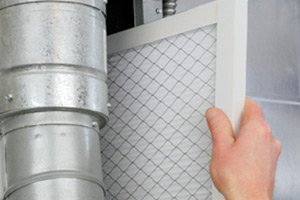
Air needs a clear path to and from the evaporator coil. When the return path is blocked or ducts are undersized, the blower works harder and delivers less cooling. A heavily soiled indoor coil can have the same effect. A licensed technician will measure static pressure, inspect the blower wheel, and evaluate duct sizing and leakage to restore proper airflow.
Dirty or Blocked Outdoor Condenser
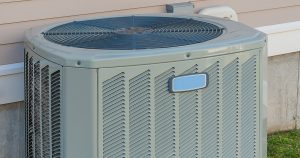
The outdoor coil must release heat to the outside air. Grass clippings, cottonwood, and landscaping that sits within a few inches of the cabinet trap heat. That forces longer run times with less cooling. Careful cleaning and clearing around the unit helps the system reject heat efficiently during South Brunswick’s sticky afternoons.
Refrigerant Leaks and Low Charge
When refrigerant leaks, the evaporator coil can get too cold and frost. Airflow drops and supply air turns lukewarm. Refrigerant problems require a licensed professional because federal regulations control how refrigerants are handled and charged. Your technician will find the leak, repair it, test the system, and verify target pressures and temperatures.
Electrical and Control Faults
A weak start capacitor or a worn contactor may let the outdoor fan spin but keep the compressor from starting reliably. That looks like the system is “on” without actually cooling. Technicians check microfarad readings, inspect wiring and terminals, and replace worn parts to restore normal operation.
Thermostat and Sensor Problems
Misplaced or faulty sensors can cause short cycles or continuous runs without proper staging. In multi‑level homes around Kendall Park or Dayton, a thermostat in a sunny hallway can create misleading readings. A pro will confirm calibration, location, and control settings so the equipment responds correctly.
Duct Leaks and Insulation Gaps
Older homes in parts of South Brunswick sometimes have ducts in attics or garages. Leaky joints waste cooled air in unconditioned spaces. Pressure testing and sealing restore cooling to the rooms that need it while easing strain on the system.
Equipment Sizing and Seasonal Load
On extreme July and August days, even a healthy AC can struggle if it was sized on outdated assumptions or if additions and finished basements changed the home’s load. A technician can confirm capacity with temperature split testing and advise on upgrades or airflow improvements that match today’s needs.
Local insight: South Brunswick’s high summer humidity makes any airflow or refrigerant issue feel worse. If you spot ice on the refrigerant line or hear the outdoor unit repeatedly click on and off, shut the system off at the thermostat and call a licensed HVAC pro.
What A Licensed HVAC Technician Checks During AC Troubleshooting
Professional diagnosis saves time and prevents repeat breakdowns. Here is what a thorough visit from Exclusive Heating, Air Conditioning, Sewer & Drain typically involves when an AC is running but not cooling:
- Measure supply and return temperatures to confirm temperature split and comfort impact
- Check blower speed, static pressure, and filter path to verify airflow
- Inspect the evaporator and condenser coils and clean as needed
- Test capacitors, contactor, fan motors, and compressor performance
- Verify refrigerant pressures and superheat/subcooling to manufacturer targets
- Evaluate duct leakage and insulation in attics or crawl spaces
- Calibrate thermostat, check sensor placement, and review control settings
If your system has been skipping maintenance, scheduling seasonal service can catch many of these issues ahead of heat waves. Explore our full air conditioning services for deep cleaning, performance testing, and reliability checks. You can also browse our latest HVAC tips for homeowner education and updates from our local team.
Why Annual AC Tune Ups Matter In South Brunswick, NJ
Regular maintenance keeps your system efficient and dependable during muggy Middlesex County summers. Coils stay clean, refrigerant levels sit where they should, and electrical parts are tested before they fail. That means shorter run times, cooler rooms, and fewer mid‑season surprises. Scheduling professional AC maintenance before peak heat also helps protect warranties and extends equipment life.
Think of a tune up like a health check. The technician looks for weak parts and hidden leaks. Airflow is balanced so rooms in Monmouth Junction or Kingston feel even from morning to night. Small issues found in spring prevent big breakdowns in July when crews and parts are in high demand.


